Splinter View
FILE_SV-001: Lake Abitibi History — Indigenous Roots, Colonial Expansion, and Environmental Change
Explore the history of Lake Abitibi, from Indigenous Algonquin and Cree use to fur trade expansion and environmental changes. CIRAS notes unusual absence of recorded anomalies in the region.
FILE ACCESS OPEN — LOCATION PROFILE
↳ FILE_001 // LAKE ABITIBI
> CLASSIFICATION: [ARCHIVE]
> TYPE: LOCATION / HISTORICAL PROFILE
> REGION: ONTARIO / QUEBEC BORDER
> STATUS: ACTIVE
> OVERVIEW:
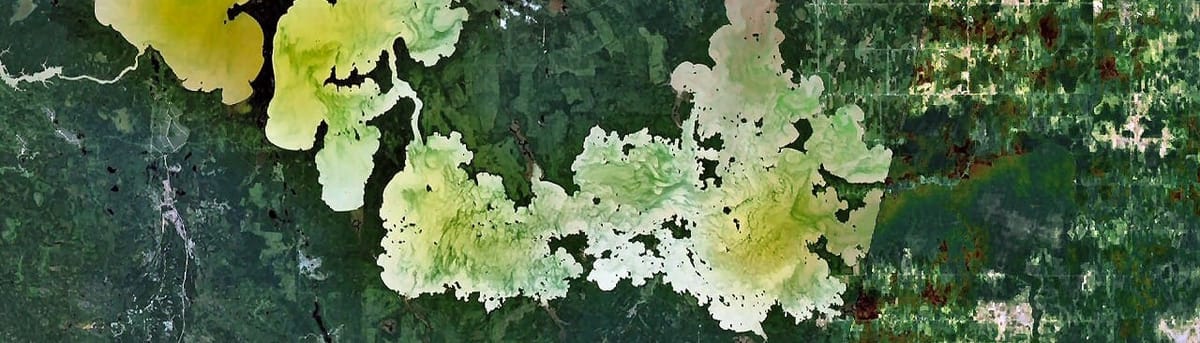
Lake Abitibi is a large, shallow freshwater lake located along the Ontario–Quebec border.
The name originates from Algonquin language, often interpreted as
“middle water” or “where the waters divide.”
The region functions as a natural transition zone between territories,
waterways, and seasonal routes.
> INDIGENOUS PRESENCE:
The lake and surrounding lands have long been used by Algonquin and Cree communities
for travel, hunting, and seasonal movement.
Oral accounts reference the region as active but inconsistent.
Specific attention is given to:
— shoreline regions
— isolated islands
— low-sound forest zones
Certain areas were approached with caution,
not avoidance.
> COLONIAL EXPANSION:
European presence increased during the fur trade era (17th–19th century).
Trade routes passed directly through the lake system,
relying heavily on Indigenous navigation knowledge.
Documentation of local conditions remained limited.
> ENVIRONMENTAL MODIFICATION:
Later industrial activity introduced hydroelectric control systems,
altering water levels and submerging portions of the original shoreline.
Natural flow patterns were modified.
Terrain records no longer reflect original conditions.
> CONFLICT NOTES:
Regional tension aligned with broader patterns of:
— land control
— resource extraction
— cultural displacement
Direct incident records remain minimal.
> CIRAS OBSERVATION:
Region meets multiple criteria for anomaly presence:
— environmental instability
— long-term human interaction
— altered terrain layers
Comparable locations produce measurable irregularities.
Lake Abitibi does not.
No confirmed anomalies recorded.
> INTERNAL NOTE:
Absence of data exceeds expected variance threshold.
Monitoring systems report consistent baseline readings.
No signal drift.
No interference.
No distortion.
However—
surrounding regions show correlated activity.
Observation failure possible.
> STATUS:
Passive monitoring remains active